
If you’ve made it here after Part 1, you’re already on the right track. We’ve reflected, dreamt big, and painted a picture of what we want from 2025. Now comes the exciting bit – actually doing it. But let’s face it, turning dreams into action can feel a bit overwhelming.
That’s where the 6M Strategy and the 12-Week Year Plan come in.
While the 12-Week Year breaks your year into four manageable quarters, giving you a sense of urgency and purpose, the 6M strategy offers a structured approach to achieving your goals within that time.
These are my go-to frameworks for getting things done without losing sight of the bigger picture.
Let’s dive in and unpack how it works.
The 6M Strategy: Your Blueprint for Success
This strategy revolves around six pillars: Mindset, Mastery, Mission, Money, Management, and Methodology. Think of it as a step-by-step guide to move from where you are to where you want to be.
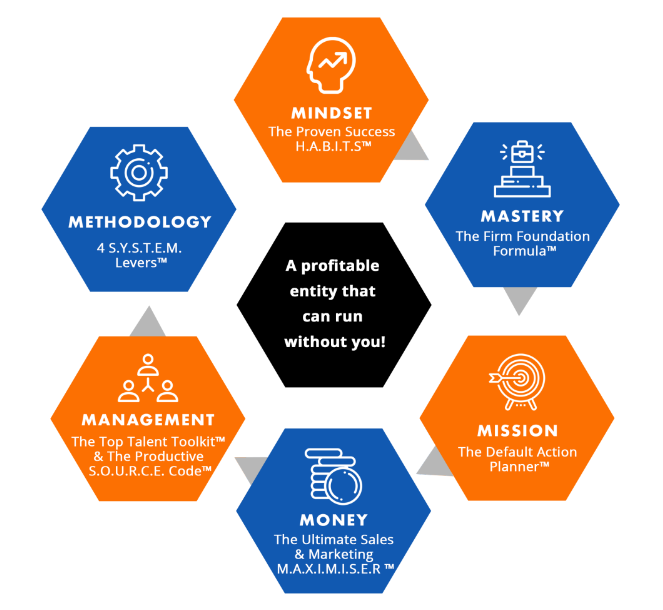
6M Framework from the book Sparks by Shweta Jhajharia*
1. Mindset
The power of your thoughts shapes your business.
Your mindset is the cornerstone of success. It’s about cultivating resilience, focus, and positivity, even in the face of challenges. By shifting from reactive to proactive thinking, you can approach bottlenecks as opportunities for growth.
2. Mastery
Strong foundations lead to extraordinary results.
Mastering the core elements of your business—whether it’s a skill, service, or product—is essential for long-term success. This isn’t about being good at everything; it’s about excelling at the few things that truly matter. Identify one area of your business that needs improvement and invest in specialised training or tools.
3. Mission
Clarity in purpose fuels unstoppable momentum.
A mission gives your business direction and meaning. It’s not just about setting goals; it’s about knowing why you’re striving for them. Your mission acts as a guiding star, aligning every decision with your larger purpose. Write down your business’s “why” and ensure every strategy aligns with this purpose.
4. Money
Predictable profits come from intentional systems.
Revenue is the lifeblood of any business, but true financial success lies in creating a marketing and sales machine. This machine generates consistent leads, nurtures relationships, and closes sales effortlessly. Map out your customer journey—from the first touchpoint to the final sale—and identify opportunities to improve conversion rates.
5. Management
Scaling starts with the right people and practices.
Hiring great talent is just the beginning. Effective management ensures your team is aligned, motivated, and productive. It’s about leveraging individual strengths to achieve collective goals. Implement a weekly check-in system to keep your team aligned and track progress towards key objectives.
6. Methodology
Systems liberate; chaos stifles.
Your methodology—the systems, processes, and frameworks you use—dictates your business’s efficiency and scalability. Well-structured systems allow you to step away without compromising performance. Automate one repetitive task this week, freeing up time to focus on strategic priorities.
Now that you’ve been introduced to the 6M strategy, let’s take things up a notch. The real magic happens when you combine this framework with the 12-Week Plan – a system tailored to focus your efforts and fast-track your progress. The 6M model lays the groundwork, while the 12-week approach transforms it into practical, results-oriented goals. Together, they form a powerful duo for achieving more in less time, all while keeping your long-term vision firmly in sight.
Why 12-Week Goals Work (and Annual Goals Don’t)

Let’s start with a little reality check.
Studies show that traditional goal-setting over a year – the kind we’re so used to – simply doesn’t work for 8 out of 10 people. Why? Because long-term goals often rely on guesswork. We’re trying to predict what will matter in six, nine, or twelve months, and life… well, life loves to throw curveballs. It’s no wonder we end up constantly moving the finish line.
But when we focus on shorter timeframes, like 12 weeks, something magical happens. The pressure is off, the finish line feels closer, and you can rely on clear, predictable data to guide your decisions. The cherry on top? By treating each week like a month, you can achieve in 12 weeks what most people take a year to accomplish.
Making The Most Of Your 12-Week Plan
This concept is derived from the book The 12 Week Year by Brian P. Moran and Michael Lennington. At its core, the 12-Week Plan is about focusing on specific, actionable goals for a shorter timeframe. Here’s how it works:
- Divide the Year into Four Quarters: Think of the year as four sets of 12 weeks instead of a single, overwhelming timeline.
- Set Weekly Goals: Each week has a purpose. Identify key priorities and break them down into actionable steps that align with your overarching 12-week objectives.
- Track Progress Weekly: Measure your success at the end of each week. This keeps you accountable and allows you to adjust if needed.
- Quarter-End Reflection: At the end of every 12 weeks, take time to reflect on your accomplishments and identify areas for improvement.
With the year’s goals behind you, set a clear action plan for the following year, ensuring you start strong in 2026 with the same momentum and focus.
If you’re curious about how the 6M Strategy can transform your vision into a focused 12-week plan tailored to your business, reach out today. Schedule a call with us at Growth Idea and start your journey towards impactful growth and success!
Next steps…
Book a complimentary breakthrough business discovery call and gain the clarity you need to take your business forward →
