
Many believe that choosing a business coach comes down to personal rapport – but that’s where things often go wrong. When a coach prioritises maintaining a comfortable relationship over delivering real value, they risk holding their clients back.
In my years of experience as a business coach in London UK, I’ve seen that the most effective mentors aren’t the ones who aim to please – they’re the ones who know when to challenge, when to support, and when to step aside. They don’t cling to relationships for personal gain but instead operate with strong business acumen, emotional intelligence, and an unwavering commitment to their client’s success.
Let me walk you through the traits that make business coaches truly stand out. You’ll learn how to spot the perfect mentor to stimulate your growth. This piece will show you the significant qualities that separate great coaches from good ones, so you can choose someone who lines up perfectly with your business goals.
Finding the Right Business Coach in London UK

The challenge of finding the perfect match among many coaching options can feel overwhelming. My years of experience have taught me what works best to help you make this vital decision.
Define your business goals
Your specific business objectives need clarity before you select a coach. Clear goals will guide your selection process, whether you want to scale operations, build leadership skills, or boost revenue by a certain percentage. To name just one example, you might aim to increase revenue by 20% next year or boost customer retention by 10%. These measurable targets will help you choose the right coach.
Business goals typically vary based on your current stage:
- Scaling operations with a large team
- Improving work-life balance while maintaining profitability
- Launching a new venture as a side business
Identify coaching requirements
Your goals should drive the specific coaching support you need. These factors matter most:
- Experience Alignment: The right business coach in London UK should have worked with businesses like yours. Their industry experience offers valuable insights and proven strategies.
- Values and Approach: Your preference between transactional or transformational coaching style matters. The approach should line up with your business values and work style.
- Coaching Methodology: Different coaching styles serve different needs:
- Directive coaching for clear guidance
- Collaborative approach for joint problem-solving
The ideal coach needs practical business experience beyond coaching credentials. Someone who has managed and scaled ground businesses will serve you better. This hands-on knowledge becomes priceless when navigating challenges and growth phases.
Note that coaching represents a significant investment in your business’s future. Take time to review potential coaches carefully. Find someone who understands financial analysis, can interpret your accounts, and guides you through your business experience.
A great coach acts as an “unreasonable yet compassionate friend” – supporting while pushing you toward excellence. They should challenge you constructively and show steadfast dedication to your success.
Key Qualities That Set Great Coaches Apart
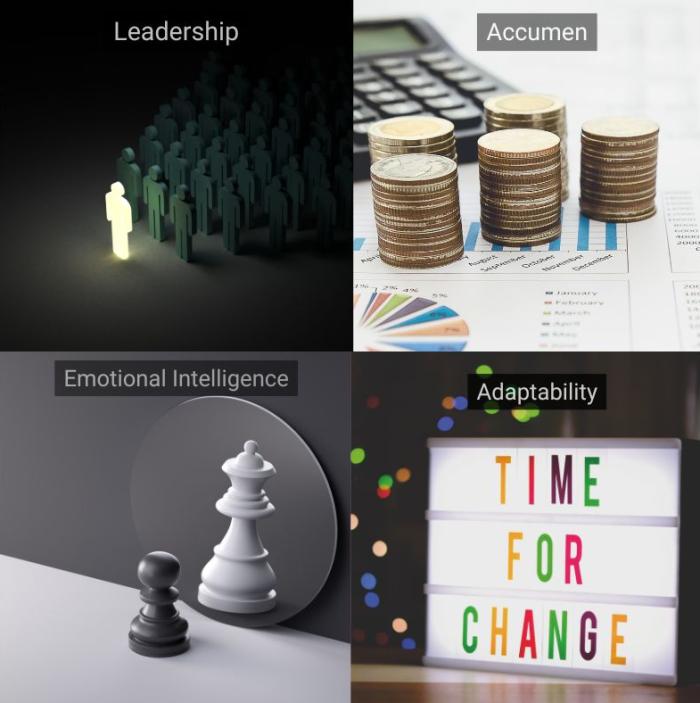
Great business coaches do more than offer advice – they inspire transformation. The right coach brings a blend of expertise, emotional intelligence, and adaptability to help you navigate challenges and unlock your full potential. Here’s what truly sets top coaches apart.
1. Leadership development expertise
The best business coach in London UK have proven track records of helping executives tackle complex leadership challenges. They excel at improving decision-making skills and team collaboration. On top of that, they teach leaders to be more empathetic and boost their emotional quotient – skills that matter most in today’s workplace.
2. Business acumen
Business acumen is the life-blood of effective coaching. Great coaches understand financial concepts, market dynamics, and strategic thinking inside out. They teach leaders to handle complex business decisions and spot market opportunities. Their solid business experience helps them give practical advice instead of theoretical knowledge.
3. Emotional intelligence
Emotional intelligence defines top-tier coaches. Research shows that that set high-performing leaders apart are tied to emotional intelligence nearly 90% of competencies. Top coaches shine at:
- Self-awareness and emotional regulation
- Understanding their client’s views
- Building trust through empathetic connections
- Creating safe spaces for exploration
4. Adaptability
Today’s fast-paced business world makes adaptability vital. Outstanding business coach in London UK flex their approach to fit each client’s unique needs. They excel at:
- Changing coaching styles based on client needs
- Working with businesses of all sizes
- Delivering both virtual and in-person coaching
The best coaches pair these qualities with strong ethics and moral values. They create breakthrough moments while keeping professional boundaries clear. Their sharp intuition and empathy help them spot subtle changes, which shapes their coaching approach.
Understanding Different Coaching Styles
Some coaching relationships click right away, while others feel like pushing a boulder uphill. My experience as a business coach in London has taught me that finding your perfect match depends on understanding different coaching styles.
1. Directive coaching
Directive coaching resembles traditional sports coaching, where the coach takes charge and provides specific guidance. This style works best when:
- You need quick, decisive action steps
- You face urgent or critical situations
- You’re new to business leadership
- You need clear guidance in specific areas
Directive coaching shines through its clarity and structure. Business coaches who use this style share that help with sales and business strategy proven tools, techniques, and knowledge. This approach might limit independent thinking and problem-solving skills.
2. Collaborative approach
The collaborative style runs on partnership and joint decision-making. This democratic approach:
- Promotes teamwork and shared responsibility
- Values different views and ideas
- Promotes ownership and commitment
Collaborative coaching means we work as partners to identify goals, develop strategies, and measure progress. People who value interactive learning and joint problem-solving benefit most from this style. In spite of that, decisions might take longer compared to directive coaching.
Your learning priorities and business needs often determine which style works best. Some professionals get better results from mixing both approaches – directive guidance helps with immediate challenges while collaborative coaching supports long-term growth.
Coaching relationships often evolve naturally. Many clients start with more directive guidance and move toward a collaborative approach as their confidence grows. Success comes from finding a coach who adapts their style to match your growth experience.
Want to find out which coaching style fits your business goals? Read how my adaptable coaching approach can help you succeed.
Making the Most of Business Coaching
My experience as a business coach in London has shown me countless success stories that emerge from well-laid-out coaching relationships. Here are proven strategies that will maximise your coaching experience.
1. Setting clear expectations
Your coaching success starts with crystal-clear expectations. You need to outline that arrange with your business vision specific, measurable goals. Our original sessions will establish:
- Precise performance targets
- Desired behavioural changes
- Timeline for achieving milestones
- Methods for measuring progress
A safe, neutral environment promotes open dialogue. Both parties can speak freely in this setting, creating realistic yet challenging expectations.
2. Creating action plans
Action plans work as your roadmap to success. Studies show that written action plans improve coaching effectiveness by a lot. A well-laid-out plan has:
- Sequential steps toward each goal
- Resource allocation (financial and human)
- Potential challenges and solutions
- Progress monitoring methods
Breaking down complex objectives into manageable tasks makes the difference. Regular sessions help maintain momentum and allow time to implement changes.
3. Regular progress reviews
Consistent progress evaluation builds accountability and growth. Research shows that structured reviews lead to better coaching outcomes. These sessions help us:
- Assess achievements against set targets
- Document breakthroughs and insights
- Update action plans based on results
Regular check-ins keep the focus sharp and let us adjust strategies quickly. Note that coaching success depends on active participation from both sides.
Let’s Talk About Your Business Goals – Book a Call Today
My experience as a business coach in London has shown that the right coaching partnership accelerates growth and delivers outstanding results. But the best coaches don’t cling to you – they genuinely care about your success, even if that means letting go when it’s in your best interest.
A successful coaching relationship requires clear expectations, structured action plans, and regular progress reviews. As your coach, I’ll help you navigate these elements while providing the right balance of challenge and support.
Let’s work together to elevate your business. Book a consultation today to explore how my coaching style can help you achieve your goals. I’ll be right beside you every step of the way.
FAQs
Q1. What are the essential qualities of top business coaches in London?
Top business coaches typically possess a combination of leadership expertise, strong business acumen, high emotional intelligence, and adaptability. They should have proven experience in guiding executives, a deep understanding of financial concepts and market dynamics, and the ability to build trust through empathetic connections.
Q2. How do I choose the right business coach for my needs?
To choose the right business coach, start by defining your specific business goals and identifying your coaching requirements. Look for a coach with experience in your industry, a coaching style that aligns with your preferences, and a proven track record of success. Consider their business experience beyond coaching and ensure they can provide comprehensive guidance throughout your business journey.
Q3. What are the different coaching styles, and how do I know which one is best for me?
The two main coaching styles are directive and collaborative. Directive coaching provides specific guidance and is ideal for urgent situations or when you need clear instructions. Collaborative coaching involves joint decision-making and is suitable for those who value interactive learning. The best style for you depends on your learning preferences and business needs, and it may even be a combination of both approaches.
Q4. How can I make the most of my business coaching experience?
To maximise your coaching experience, set clear expectations and specific, measurable goals from the outset. Create detailed action plans that break down complex objectives into manageable tasks. Engage in regular progress reviews to maintain accountability and make timely strategy adjustments. Active participation and open communication with your coach are crucial for success.
Q5. What role does emotional intelligence play in business coaching?
Emotional intelligence is a critical quality in effective business coaches. It enables them to understand client perspectives, build trust, and create a safe space for exploration. A business coach in London UK, with high emotional intelligence can help leaders develop greater empathy and improve their decision-making abilities—both essential skills in today’s business environment.
